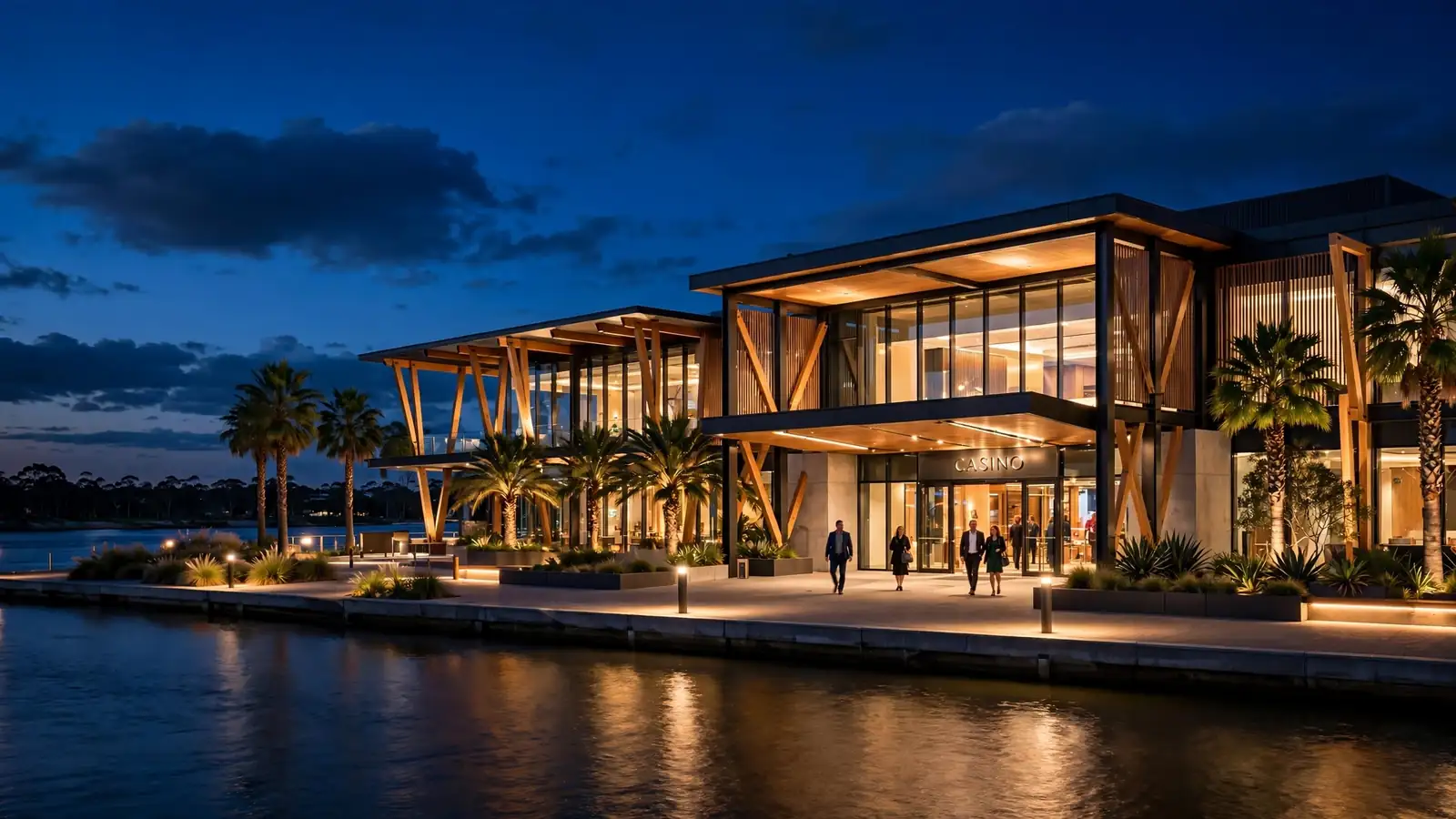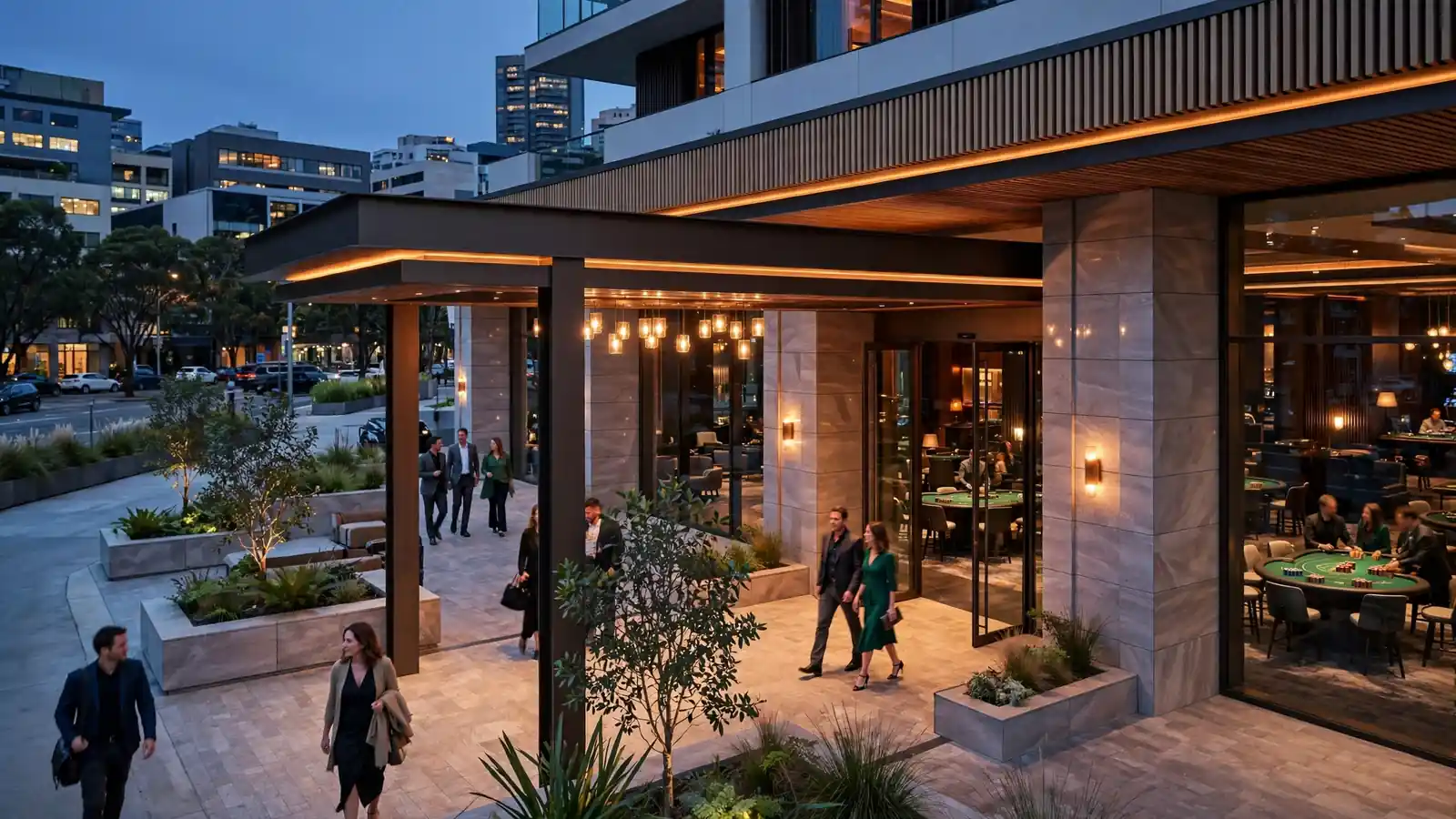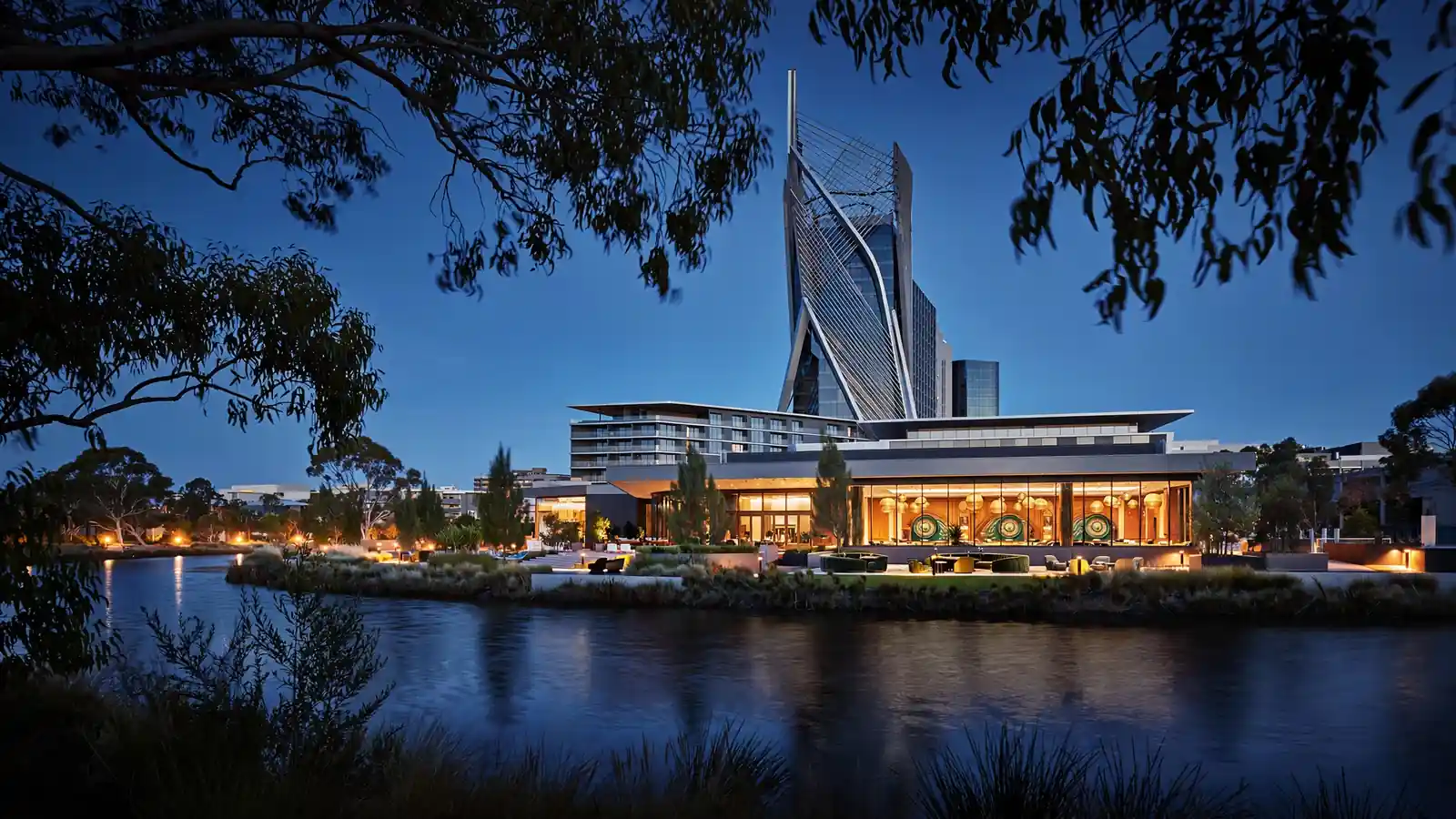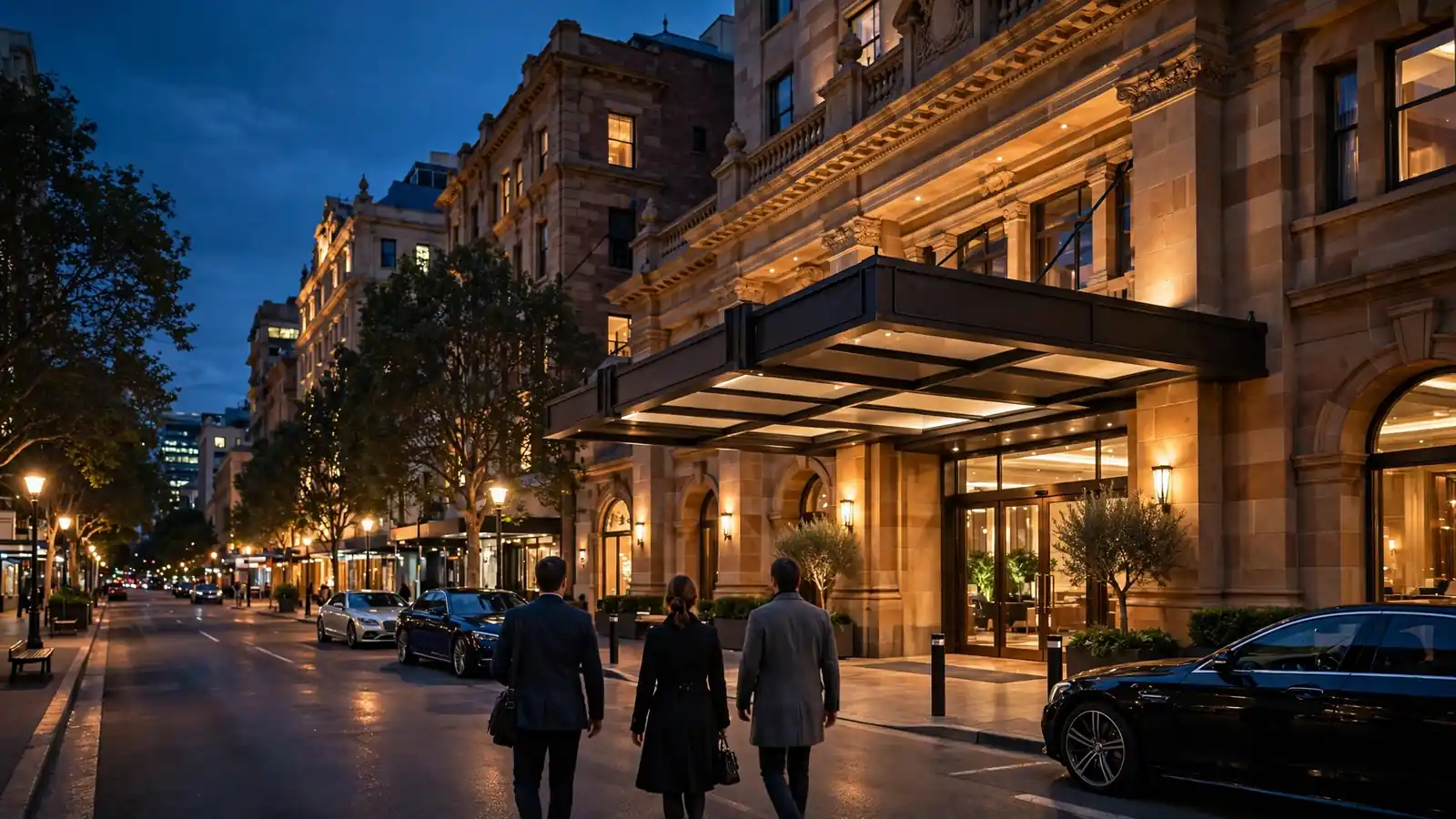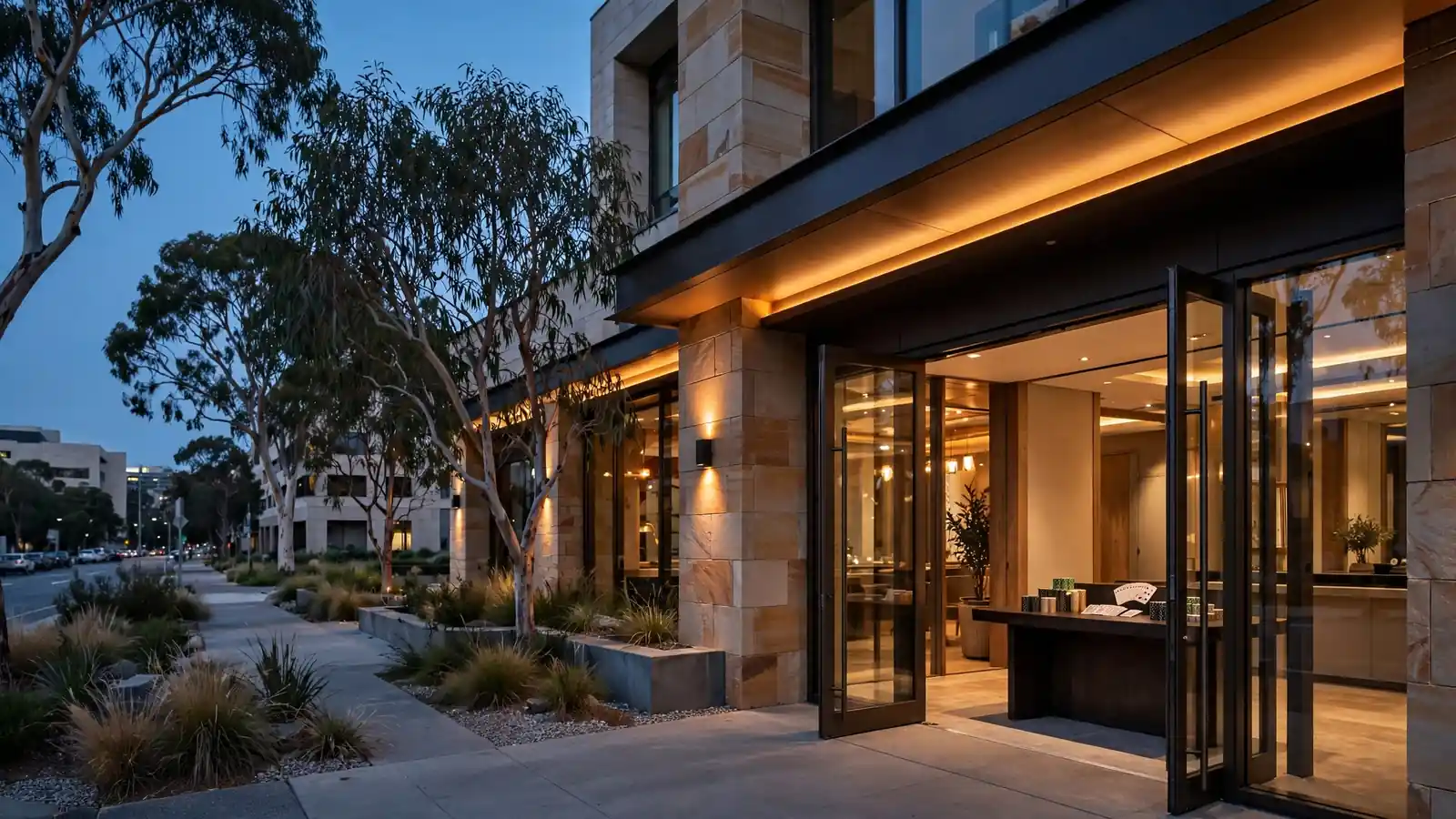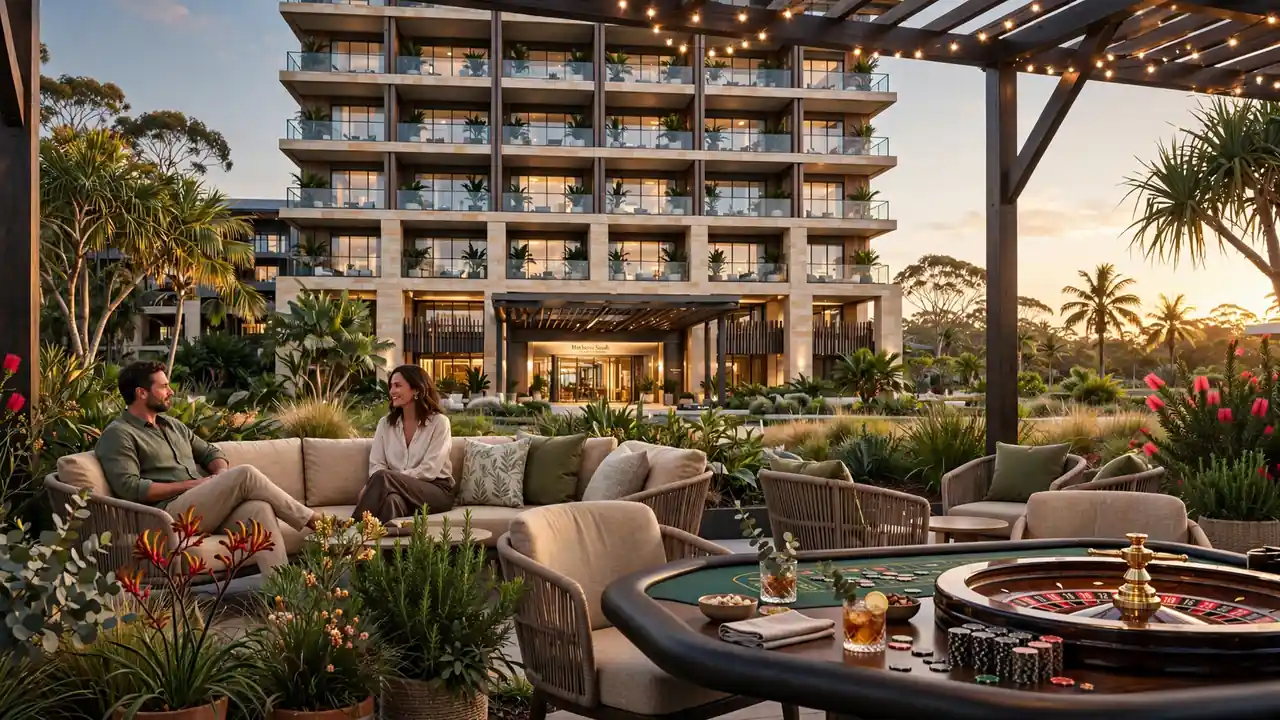
Casino stays, nearby accommodation and on-site amenities can vary, so confirm the offer and venue details before making plans.
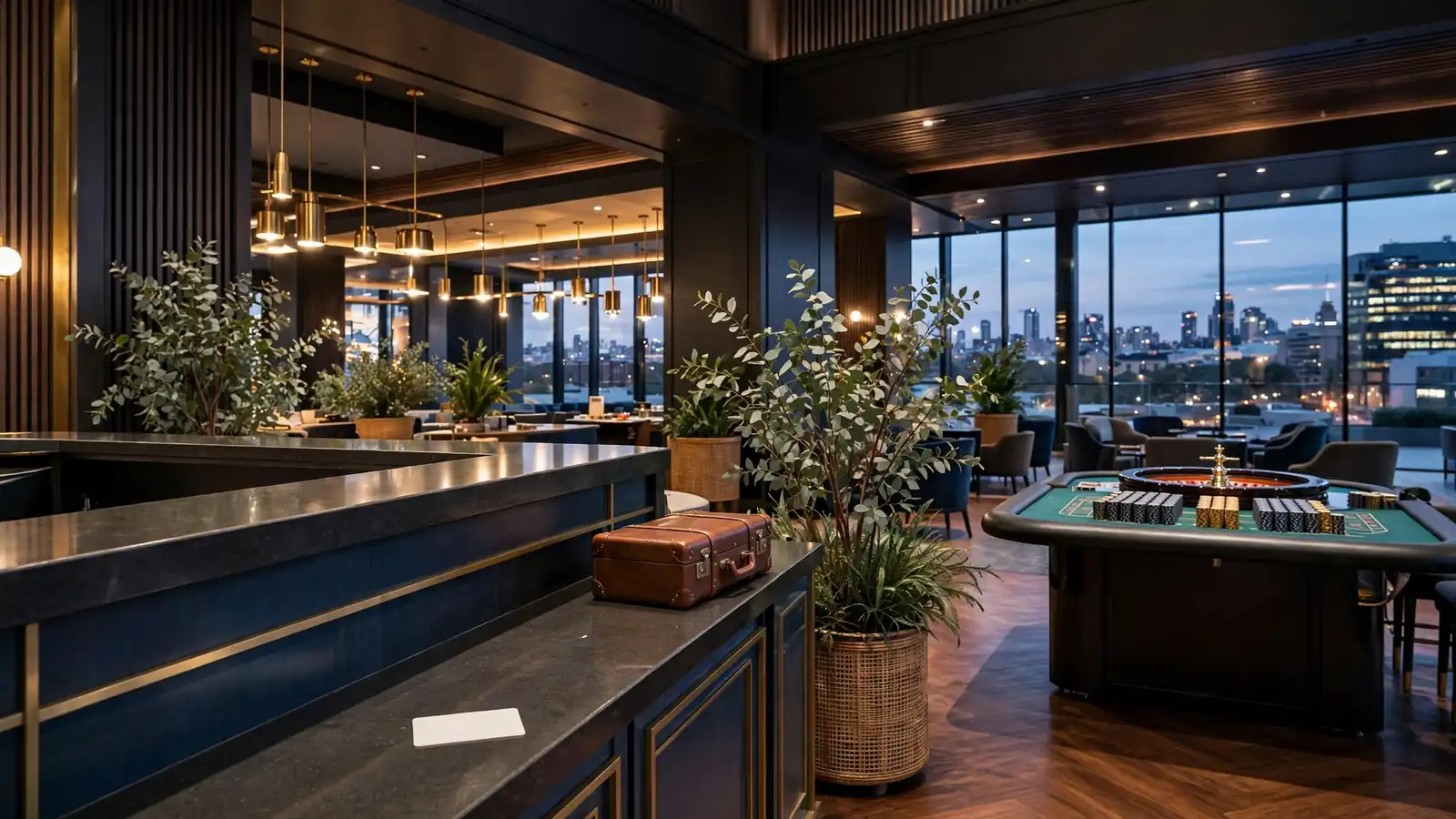
A casino hotel can sound like an easy bundle: a room, the venue downstairs and a “deal” that appears to save you effort. I’ve learned not to let the label do the thinking. Before booking a stay connected with a Melbourne casino, check what the offer actually includes, which property it applies to and what you would pay if your plans changed.
Start with the property name. A hotel associated with a casino, a room sold through a casino website and a nearby hotel are not automatically the same thing. Make sure the booking names the property where you will sleep, rather than relying on a broad description such as “casino hotel”. If the offer is presented as a Melbourne casino hotel deal, read the details to confirm that the room is part of that deal and not simply an optional extra.
Then look at the room description itself. Check the room type, bed arrangement, occupancy conditions and any features that matter to you. Photos can set expectations, but the written description is what you can compare with the booking confirmation. If something important is unclear, ask the hotel or booking provider before paying. It is much less awkward to resolve a mismatch before arrival than to discover one at the desk.
Choosing an online casino while based in Melbourne means checking the details that matter to you before signing up. Use these concise operator notes as a starting point for your own checks.
LuckyVibe
LuckyVibe lists a Curacao Gaming Control Board licence, OGL/2023/176/0095, held by Hollycorn N.V.
Vegaz Casino
Vegaz Casino lists Curacao licence OGL/2024/1335/0780 and a minimum deposit of EUR 20.
LevelUp Casino
LevelUp Casino lists a Curacao eGaming licence, OGL/2023/174/0082, under Dama N.V. Its minimum deposit is A$15.
SkyCrown
SkyCrown lists a Tobique Gaming Commission licence and a minimum deposit of A$30. Its stated payout times are around 10–15 minutes for crypto and 1–5 days for fiat.
SpinsUp
SpinsUp lists a Curacao Gaming Control Board licence, OGL/2023/174/0082, under Dama N.V.
JustCasino
JustCasino lists a Curacao Gaming Control Board licence.
Uptown Pokies
Uptown Pokies operates under a Curacao licence and has been operating since 2017. Its minimum deposit is A$20.
Roby Casino
Roby Casino lists a Curacao eGaming licence held by Roby Games Ltd.
Ricky Casino
Ricky Casino lists crypto payouts in under an hour and PayID payouts in 1–3 business days. The minimum deposit is A$20, or A$30 to qualify for the bonus.
MrPacho
MrPacho lists crypto payout times of 30–120 minutes and fiat payout times of 24–72 hours. Its minimum deposit is A$30.
The price deserves the same scrutiny. Compare the final amount shown before you commit, not just the headline rate. Read whether taxes or other charges are included, whether payment is taken straight away and whether the quoted price depends on a particular booking condition. A low first figure can look persuasive; the final checkout screen is the one that counts. No magic.
Cancellation and changes are easy to skim past when you’re focused on the room. Don’t. Find the policy attached to your exact rate and note when changes or cancellations are allowed, whether a refund is available and what happens if you do not arrive. If the terms are unclear or the booking is non-refundable, treat that as part of the price rather than a small-print afterthought.
For a package, separate the room from every added benefit. Check what is explicitly included, how you access it and whether it has conditions of its own. A phrase such as “exclusive offer” is marketing, not a description of what you receive. If a benefit is important to your decision, get its details in writing before booking. If it is not spelled out, don’t build your plans around it.
It also helps to check who is responsible for the reservation. A booking made directly with a hotel and one handled by a third-party provider can have different contact points for changes or problems. Keep the confirmation and the terms that applied when you booked. If you need to ask a question, use the contact route shown on the provider’s own current booking information rather than relying on an old listing or an assumption.
One thing I would not do is book a room on the strength of a casino connection alone. The stay still has to work as a hotel stay: the location, room details, price and cancellation terms should suit your plans. If the listing leaves a basic point unanswered, pause and check it. A room is not a bargain just because the page calls it one.
Before you pay, give the booking a final read from top to bottom: property, dates, room, total price and conditions. Keep a copy of the confirmation. That small pause is less exciting than clicking “book”, but it can save you from paying for a stay that was never quite what you thought.
A poker room and a room full of pokies are not the same thing, even if a venue’s general casino description makes them sound easy to confuse. If you’re planning a visit for poker, I’d want confirmation of the actual game format before setting off: are there live table games, scheduled tournaments, or only Electronic Gaming Machines (EGMs)? A reference to poker machines alone would not answer that.
The distinction matters because a tournament is more than a poker table being available. You need to know whether an event is scheduled, how players register, what time registration closes, what the entry conditions are and whether a seat can be reserved. A listing that mentions poker without giving those practical details is not enough for me to plan around. I’ve learned not to turn a vague label into an evening’s plan. Check first.
For a cash game, the useful questions are different: which games are running, whether seats are available, how the venue manages a waiting list and what rules apply at the table. Those details can change, so an old event page or a third-party listing may not reflect what is happening when you arrive. If you cannot find a current answer, contact the venue through its official channels before travelling. Don’t assume a tournament listing means cash games are running too, or that a room is open just because a casino itself is operating.
There is also a jurisdiction trap in some poker-related information. NSW facts about poker machines do not establish what is available at a Melbourne venue. For instance, Club Liverpool’s position among NSW clubs with operational poker machines tells you nothing about live poker tables, tournament schedules or facilities in Melbourne. Nor should NSW rules about gambling on poker machines be treated as a guide to poker-room access in Victoria. Different question, different evidence.
Before you commit, look for a current, venue-specific page that names the poker format and gives usable event information. If the page only uses broad wording such as “poker,” ask what that means in practice. Is it a live game, a tournament, a machine game, or simply a general reference to gaming? Those are not interchangeable. I would also check whether the schedule is dated and whether the venue has posted changes or cancellations. A screenshot from an old event is not a booking confirmation.
Keep the search focused on poker. Queries about casino rooms can mean hotel accommodation, while a sports bar is a separate facility question; neither tells you whether there is a poker room or tournament. Likewise, opening status does not confirm that a poker table is operating or that an event is being held. Treat each as its own check rather than joining them into one assumption.
My bottom line is simple: don’t travel on the strength of a poker label. Confirm the specific format, event date, registration process and current availability directly with the venue. If those details are not clear, keep your plans flexible until they are. No guesswork.
A search for the best casino in Melbourne in 2026 can mix up two different things: visiting a physical venue and playing casino-style games online. The rules are not interchangeable. Looking for Melbourne casino bingo or dining is a question about an in-person visit; looking for an online casino in Melbourne is about gambling services delivered over the internet.
Under the Interactive Gambling Act 2001, an operator based in Australia cannot provide real-money online casino games to people in Australia. That restriction covers games such as pokies, blackjack and roulette. A Melbourne venue’s existence does not mean it can lawfully offer those same games online to people here.
Offshore sites are a separate case, but “offshore” does not mean locally regulated. Such platforms are not regulated under Australian law, and foreign licensing does not turn them into Australian-authorised casino services. The law focuses on what operators can provide to people in Australia; players are not criminally liable simply for using an offshore site. Still, the service sits outside the protections of Australian regulation. That distinction matters.
The legal position is not a green light. Offshore casino services can be subject to blocking and enforcement, and access may be unreliable. Some sites or games may also restrict access based on location. A VPN can make your internet connection appear to come from somewhere else, but using one to get around a site’s regional block breaches its terms and may lead to account suspension. I would not treat a changed digital location as a fix for the underlying legal and account risks.
There is another practical catch: if an offshore operator disputes a withdrawal, you have limited routes for resolving the issue under Australian law. If the company fails, winnings may not be protected. Bonus offers can bring their own conditions, including wagering requirements, cashout caps or terms that allow winnings to be voided. “Free” often means conditions attached.
So if you are comparing online options with a physical casino in Melbourne, keep the questions separate. For an in-person visit, check venue details directly; an online service is not a substitute, and searches for parking or dining do not establish anything about an online offering. For online casino games, the key point is that Australian-based operators cannot legally supply them to people here, while offshore platforms are outside Australian regulation.
I learned the hard way that a polished lobby can make a service look safer than it is. It proves very little about your rights if something goes wrong. Don’t chase losses or raise your bets trying to win them back; gambling is not a way to cover rent or groceries. All gambling sites operating lawfully in Australia must hold an ILGA licence, but that does not make online casino games lawful for an Australian operator to provide. Keep that line clear.
If you’re looking for a place to stay near a Melbourne casino, start by confirming the venue’s current address, then compare accommodation against that exact point. “Near” can mean a short walk, a straightforward public-transport trip or a drive that looks manageable on a map but isn’t what you want after a long evening. I wouldn’t book on the strength of a vague distance label. Check the route yourself, including how you’ll get back.
I’ve learned not to treat a price badge as the whole deal. A room advertised alongside a casino visit may sound like a tidy package, but the useful details are the ones underneath: what dates the rate covers, whether cancellation is allowed, what is included, and whether any extra charges apply. Read the booking conditions before paying. If the offer depends on a particular event, membership or booking channel, make sure you actually qualify.
For accommodation near the venue, compare a few properties using the same dates and the same room requirements. Look at the total shown at checkout, not just the first nightly figure. Check whether breakfast, parking or other extras are included only if those things matter to your plans; don’t assume a nearby hotel provides them. If you’re arriving by car, confirm parking directly with the accommodation and check the route and arrangements separately. “Parking available” can leave practical questions unanswered.
There’s also a difference between a casino promotion and an accommodation offer. One may not include the other, and a promotion can have conditions that make it less useful than the headline suggests. Before relying on any claimed saving, confirm who provides it, how it is redeemed, the eligible dates and what happens if plans change. If the terms are unclear, ask the provider before booking rather than trying to sort it out at check-in.
The same caution applies to the venue’s location details. Use an up-to-date map and the venue’s own information to confirm the address and plan your route; don’t rely on an old listing copied across booking sites. If you’re choosing a place because it appears close to gaming facilities, verify the venue details independently rather than assuming every listing uses the same location or description. Small errors matter when you’re carrying bags or travelling late.
I’d keep the booking decision separate from the casino’s advertising. Choose accommodation that works for your budget and travel plans even if a promotion disappears or turns out not to apply. Don’t stretch your spending because a package is framed as “exclusive”—that word can mean a restricted offer, not a better value. Check the final price, cancellation terms and route, then decide. No flashy banner changes those basics.
When I need to contact a venue, I want a channel that can answer the question I actually have, not a number copied from an old listing. For a Melbourne casino visit, that means confirming the contact details through the venue’s own current information before relying on them. I would not treat a result in a directory, an old social post or a saved phone number as proof that it still reaches the right team.
Be specific about what you need to know. A question about a bar, a game table, parking or a concert may need to go to a different department, and a general enquiry channel may not be able to confirm every detail. If you call or send a message, keep the answer with you and check whether it applies to the date you plan to visit. Small detail. Saves a wasted trip.
The same goes for bars. A listing or photo can tell you that a place has been discussed online; it cannot establish that a particular bar is currently operating, what it serves, or whether it suits your plans. Before setting off, confirm the venue’s own current information and ask about the detail that matters to you, rather than assuming a name or description tells the whole story.
Concerts need an extra check because event information changes. A poster shared elsewhere may be outdated, and a listing alone may not settle practical questions such as entry arrangements or whether a booking is required. I would confirm the event directly with the venue or the event’s authorised ticketing information before making plans around it. No guesswork from a screenshot.
If you are going by car, verify the car-park arrangements independently before you leave. A map pin can help with orientation, but it does not confirm access, availability or any conditions that might matter on the day. Check the venue’s current directions and parking information, then compare them with your route. Don’t assume a nearby parking marker is the casino’s own car park.
A map also has limits. It can point you towards a location, but it may not answer which entrance to use or how to get to the part of the venue you want. If that affects your plans, ask the venue directly for directions rather than relying on an image or a third-party map alone.
For baccarat or craps, separate the name of a game from confirmation that it is available at the venue you intend to visit. I would not infer a current table offering from a general casino description. Ask the venue directly, and make clear which game you mean. If the answer is unclear, get confirmation before building the trip around it.
That is not glamorous advice, but it is the kind that has stopped me trusting a stale listing just because it looked official. For contact details, bars, concerts, parking, directions or table games, use current venue information and confirm the point that affects your visit. A quick check beats an avoidable surprise.
A breakfast listing can sound straightforward until you try to work out what it actually includes. Is breakfast served at the casino, at a hotel connected with it, or somewhere else? Is it a buffet or a set menu? Does a room booking include it, or is it paid for separately? I would want those answers in writing before planning a morning around the venue.
The same goes for a buffet. The word tells you the style of service, not whether one is currently operating, what is on offer, or when it is available. Before making plans, look for current information from the venue itself and check the date it applies to. If the details are unclear, contact the venue and ask about service times, booking requirements, price, and whether the buffet is open to non-guests. A page with an old date can be worse than no page at all.
“Resort” is another word I’d treat carefully. It can describe a property’s branding, but by itself it does not tell you what facilities are included or whether any particular service is available. Check what the venue means by the term rather than assuming it guarantees a particular experience. Fine print matters.
Rewards need the same scrutiny. Before signing up or relying on a membership for breakfast or buffet access, check the current terms: what qualifies, whether an offer needs to be activated, which venues accept it, and whether there are restrictions on dates or bookings. Ask whether the benefit is a discount, a credit, or something else. Those are not interchangeable. “Member offer” can mean a lot of things. Read the conditions.
I’ve made the mistake of treating a headline as the whole deal. It isn’t. A benefit may depend on conditions that are easy to miss when you’re focused on the attractive part. If a reward is tied to spending or gambling, don’t spend more than you planned just to unlock it; the value of a perk is not a reason to chase a loss or raise a bet. Keep your own session budget separate from any food or membership offer.
For a Melbourne casino breakfast or buffet, the practical approach is simple: confirm the venue, service, current availability, price, and booking conditions before setting out. Save the details you rely on, especially if they came from a promotion, and check again if your plans are for a later date. For rewards, rely on the published terms rather than a short promotional description.
That may feel less exciting than clicking “included”. It is also how you avoid arriving with the wrong idea about what a breakfast, buffet, resort label, or rewards membership actually provides. Verify first. Then decide whether it suits your plans.
For a visit to a Melbourne casino, opening hours are one of those details I would check on the day, not rely on from an old article or a saved map listing. Hours can change, and a page that says a venue is open does not necessarily tell you whether the part you plan to visit is operating. Check the venue’s current official information before setting off, especially if you are travelling for a particular event.
I have made the mistake of treating “open” as a simple yes-or-no answer. It is not always enough. Check that the information applies to the date you have in mind, and look for any notice about temporary changes or restricted access. If you cannot tell whether a listing is current, get confirmation from the venue before making plans around it. A stale listing is still a listing.
A headline about development does not, by itself, tell you whether the casino is open to visitors or when anything will change. The same goes for a reopening announcement: read the details carefully and check whether it specifies the venue, areas and dates relevant to your visit. I would not turn a general update into a firm travel plan.
Employment news needs the same separation. A job listing or hiring update is not proof that a venue has reopened, nor does it confirm public access or entertainment. Those are different questions, and each needs current information of its own. Keep the evidence tied to the decision you are making. No guesswork.
If you are looking for a show or other entertainment, check the event listing for the exact date and venue, then confirm that the listing is still current before you go. A past event page can remain visible long after the night has passed. Where the details matter to your plans, look for any updates about changes or cancellations rather than assuming an older listing still applies.
I would also distinguish a general entertainment listing from a confirmed event you can attend. A broad description may not give you the date or access details you need. Make sure the information actually answers those practical questions before arranging your evening around it.
This is where a little scepticism helps. “Coming soon” sounds reassuring; it means only that an update may be planned unless a specific event and date are stated. And a review can describe someone’s visit at a different time, not today’s opening status or current programme. Useful context, perhaps. Not confirmation.
For this page, I would treat opening status, reopening news, development updates, employment notices and event listings as separate checks. That avoids reading more into one announcement than it says. For a current visit, rely on up-to-date venue information and verify the details that affect your plans before you leave.
A restaurant inside a casino can sound like an easy part of the night to plan: pick a place, glance at the menu, turn up. I’ve learned not to treat that first impression as a booking. Restaurant details can change, and a page you saw earlier may not reflect what’s available for the date you have in mind.
For a Melbourne casino restaurant, start with the venue’s own current restaurant information. Look for the menu, service times, booking rules and any notice about temporary changes. Check that you’re reading the page for the restaurant itself, not a general venue description or an old listing copied elsewhere. “A wide choice” is marketing language; what matters is whether the actual dishes, prices and serving times work for your plans.
Menus deserve a proper look before you set off. If you have dietary requirements, read the dish descriptions and ask the restaurant directly about ingredients and preparation rather than relying on a broad label. If you’re choosing around a particular meal, check when that restaurant serves it. A dish listed online doesn’t automatically mean it will be available at every service.
I’ve also found that “walk-ins welcome” is not the same as knowing you’ll get a table. If you’re going at a set time, check whether bookings are accepted and whether the reservation is confirmed for the right date, party size and restaurant. If the booking process leaves anything unclear, resolve it before you travel. That small check beats arriving hungry and negotiating with a phone screen.
Prices are worth checking alongside the menu. Make sure you’re looking at current prices and note whether the listed amount covers what you expect, such as sides or add-ons. Don’t assume that a menu photograph, an old review or a third-party listing is up to date. If the cost matters to your plans, confirm it with the restaurant rather than building your budget around a stale page.
For visitors comparing restaurants at a Melbourne casino, the useful shortlist is practical: cuisine you actually want, suitable dishes, current prices, service times and a booking you can rely on. Reviews can help you understand other diners’ experiences, but they aren’t a substitute for current restaurant details. I’d use them as a second opinion, not as the thing that decides whether the meal is available.
Keep a note of the restaurant’s direct contact route and the date you checked its information. If plans shift, check again before heading out; menus and availability can move independently of the wider venue’s schedule. No grand theory. Just fewer surprises at the table.
Before setting off, make sure the address you have belongs to the venue you intend to visit. “Melbourne casino” can be an imprecise label, and a map result, old directory entry or booking page may not answer the practical question: where exactly should you go? I’d confirm the venue name and street address on its current official site, then check the route in a map app on the day. A little boring. Better than arriving at the wrong place.
The same goes for a day spa. A search result mentioning a casino spa does not, by itself, establish that the facility is on site, open to visitors or taking bookings. Look for a current listing from the venue or the spa operator, and check what the booking includes before paying. If the listing is vague about location or access, ask for clarification rather than assuming it is part of the casino. I’ve learned not to treat a polished page as a confirmed plan.
Dress codes are another detail I would check directly, especially if you are heading out for a particular area or event. Don’t assume that a general venue policy covers every space, or that an old visitor comment still applies. Look for the current guidance and, if it leaves room for doubt, contact the venue before you leave. That is a quick check, not a fashion crisis.
For games, use the venue’s own current information to establish what is available and where. A general description of a casino is not a promise that a particular game or area will be operating when you arrive. If one specific game is the reason for the trip, confirm it rather than relying on a third-party listing. Plans change.
If you are looking at careers, go to the venue’s official employment or careers page and make sure any vacancy is still listed there. A copied advert can linger after a role has closed; I would not send personal details through an unfamiliar listing just because it uses the venue’s name.
My rule for these practical details is simple: verify the exact place, the specific facility and the current conditions through an official channel before travelling or booking. If you cannot confirm a spa, dress requirement or game directly, treat it as unconfirmed—not as a feature you can count on. Check first. Then go.
A food court and a pool are easy to picture as part of a casino visit, but I wouldn’t build a plan around either without checking the venue’s current information. I’ve learned that a polished venue image can make facilities feel like a given when they may not be available, open to visitors, or what you imagined.
For food, confirm whether there is an on-site food court at all, rather than assuming that several places to eat amount to one. If it exists, check what is operating on the day you plan to visit and whether access is available to you. That matters if you are counting on a quick meal between other plans. “Convenient” can mean very little if the facility you pictured isn’t there.
The pool needs its own check. Don’t infer that a casino has one from the word “resort,” a hotel image, or a listing elsewhere. Verify whether a pool is on site and, if so, who can use it and under what conditions. A pool attached to accommodation, for instance, may not be a general visitor facility. Ask before you make it part of the day.
I’d use current information from the venue itself and confirm any detail that would change your plans before travelling. If you can’t establish that the food court or pool is available, treat it as unconfirmed—not as a hidden perk waiting to be discovered. Simple check. Less guesswork.
Yes. Under the Interactive Gambling Act, Australian-based operators cannot offer online casino games such as pokies, blackjack and roulette to players in Australia. Offshore casinos may accept Australian players, but they are not regulated under Australian law.
It is when a casino or game provider uses your IP address to identify your location and restricts access to games in certain countries. From an Australian IP address, a blocked game may not appear in the lobby or may fail to load.
Free-spin winnings commonly have wagering requirements of 20x to 50x; one stated requirement is 30x before withdrawal. Pokies typically contribute 100% toward wagering requirements.
Prepared by the Richard Casino editorial staff.